
Subscribe and receive email notifications of new blog posts.
 RSS Feed
- 2026 | 29 Posts
- 2025 | 52 Posts
- 2024 | 52 Posts
- 2023 | 52 Posts
- 2022 | 52 Posts
- 2021 | 52 Posts
- 2020 | 53 Posts
- 2019 | 52 Posts
- 2018 | 54 Posts
- 2017 | 41 Posts
- 2016 | 35 Posts
- 2015 | 27 Posts
- 2014 | 94 Posts
- 2013 | 16 Posts
1
The Lancaster PA 100-Year Makeover
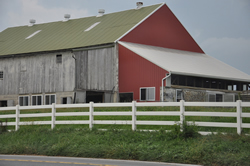 The only constant in life is change; nowhere is this more evident than in Lancaster, PA. The city began as a quiet farming town, spent one day as the capital of the colonies, and spent many years supplying the pioneers of the Frontier with Conestoga wagons and Pennsylvania long rifles. Today, Lancaster is a vibrant community that keeps the city's history alive while steadily marching towards the future.
Lancaster's 100-Year Makeover
Founded in 1729, Lancaster was officially incorporated as a city in 1818. By the early 1900s, Lancaster, PA had become the heart of Lancaster County. Penn Square, housing important locations such as City Hall and shopping destinations like Woolworth's Great Five Cent Store, was the center of attention. As cars became more affordable in the 1930s, people started leaving the city for the suburbs and the 100 year makeover of Lancaster began as the city's population started changing.
An attempt to ease downtown congestion in the 1960s produced the Route 30 Bypass, and while traffic was reduced, so were shoppers and travelers. Over the next few decades, Lancaster continued to experience alternating periods of growth and decline until it finally found it's calling. In the 1980s, the people of Lancaster rediscovered the cultural center that the city used to be, and quiet influx of artists began changing city's the landscape.
The Rise of the Arts District
The transition that Lancaster, Pennsylvania made to an artistic hub was gradual, however, the relocation of the Pennsylvania School of the Arts to downtown Lancaster in 1987 sped up the movement. Today, the school at 204 North Prince Street is known as the Pennsylvania College of Art & Design and has close to 300 students enrolled.
The Arts District is also anchored by the Fulton Opera House. Built in 1852, the theatre at 12 North Prince Street is the oldest building in the district. While not technically an institution of the arts, Central Market at 23 North Market Street is another important destination in the Arts District. As the oldest continuously operating farmers' market in the country, it serves as a place for the entire community to gather and talk while supporting local growers, artisans, and merchants.
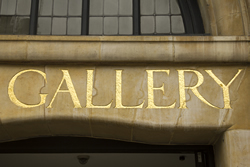 Gallery Row
The solidification of Gallery Row in 2005 made permanent what had been growing for decades. Lancaster, PA had become a premier cultural destination for city residents as well as travelers from across Pennsylvania and tourists from around the country. The Isadore Gallery, located at 228 North Prince Street, marks the beginning of The Row and Carmen & David's Creamery, located at the end of The Row at 25 North Prince Street, gives you a place to refresh after wandering through more than a dozen galleries, bookstores, and studios in between.
Living in Lancaster, PA
Lancaster is just a quick drive to Baltimore and Philadelphia so you'll always be in arm's reach of what the big cities have to offer. Closer to home, however, you'll find more than 300 boutiques, restaurants, galleries, and cultural destinations providing exciting attractions for the entire family. To become a part of a city that mingles history with contemporary adventure and comfortable neighborhood living, contact Homesale Realty's Lancaster office today.