
Posts with tag 'Museums'
Subscribe and receive email notifications of new blog posts.
 RSS Feed
- 2026 | 30 Posts
- 2025 | 52 Posts
- 2024 | 52 Posts
- 2023 | 52 Posts
- 2022 | 52 Posts
- 2021 | 52 Posts
- 2020 | 53 Posts
- 2019 | 52 Posts
- 2018 | 54 Posts
- 2017 | 41 Posts
- 2016 | 35 Posts
- 2015 | 27 Posts
- 2014 | 94 Posts
- 2013 | 16 Posts
30
Plan Your Visit to the Babe Ruth Birthplace and Museum
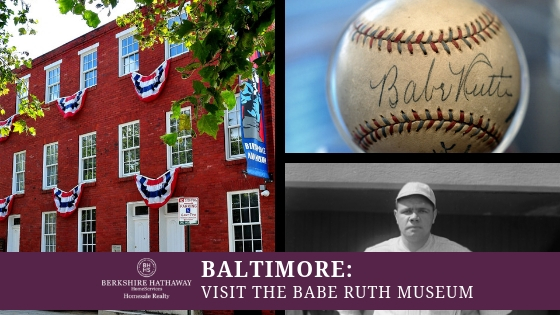
Yes, Babe Ruth once ate somewhere between 12 and 18 hot dogs, but his more typical fare appeals to our real estate agents and anyone else who enjoys a good meal: two Porterhouse steaks, double order of salad, double order of cottage-fries, and a double order of apple pie (a la mode, natch). Visit The Bambino's birthplace and museum to learn much more about Babe Ruth.
Camden Yards
Just outside the beautiful, brick-built Camden Yards, home to the beloved Baltimore Orioles, is a statue of a young Babe Ruth, sculpted by Susan Luery. The gifted player and gourmand is in the future; this is an older boy, not yet a man, eyeing his dreams. This is George Herman Ruth fresh out of the Baltimore orphanage (St. Mary's Industrial School for Boys), setting his sights on a Major League career.
2
Baltimore Neighborhoods: Spend the Day in Fells Point
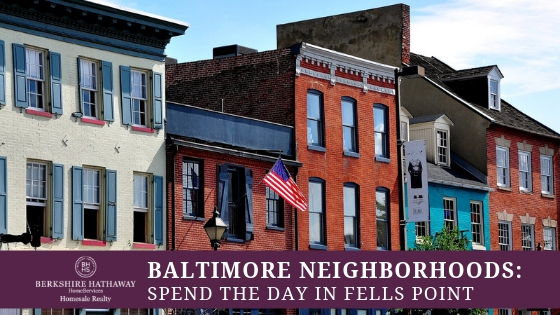
Streets paved with Belgian blocks guide savvy shoppers to astonishing finds in Fells Point stores. Fine waterfront restaurants mingle among the beautiful Fells Point homes for sale, their radiant facades calling in every color of the rainbow. This, one of Baltimore's oldest neighborhoods, is rich in history and alive with all the dazzle of modern living. With so much to do in Fells Point, let's get started. You'll need good walking shoes, a zest for unique experiences, and self-restraint (if you're a shopaholic).
Waterfront History
More than 161 historic buildings dot the Fells Point neighborhood, a corner of Baltimore founded in 1763. The first African American-owned shipyard has been transformed into the Frederick Douglass-Isaac Myers Maritime Park Museum, open Monday through Friday from 10 a.m. to 4 p.m., with Saturday and Sunday hours from noon to 4 p.m.
21
Columbia, PA: National Watch and Clock Museum
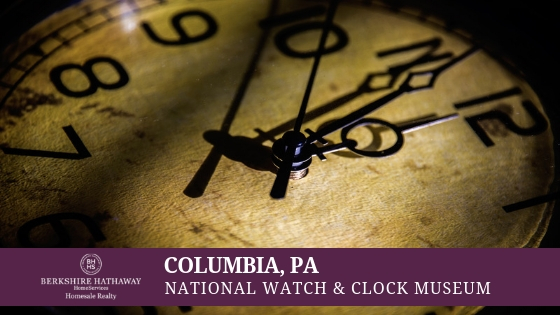
For some 42 years (more than 367,920 hours), the National Watch & Clock Museum has been helping visitors to Lancaster County have a good time. From a humble origin of only about 1,000 timepieces, the museum now features 12,000 clocks, watches, timekeepers, and novelty items related to time-telling. As you peruse Columbia homes for sale, be sure to stop by this "largest and most comprehensive horological collection in North America."
The Exhibits
The museum is laid out chronologically (did you expect it any other way?) with pieces dating back to Stonehenge, itself thought to be a timekeeping device. The exhibits take you through the entire history of timekeeping technology from early non-mechanical devices like sundials and henges to today's atomic and radio-controlled clocks.
Plenty of displays capture children's imaginations; many more intrigue and educate older audiences. From divining seasons from the motion of stars and planets to setting our watches to seconds-per-century accuracy, the exhibits explain both the concept of time and our technology to measure it.